Sara SteigerwaldSara SteigerwaldWealth Advisor
 LinkedIn
About Sara
Sara Steigerwald is a Wealth Advisor at J.P. Morgan Wealth Management.
Sara's focus is on helping clients achieve financial independence at any stage in life.
A magna cum laude graduate of Harvard University, Sara received an M.A. in Finance in 2011. She also holds a Bachelor of Engineering in Biomedical Engineering from Case Western Reserve University.
Investing has been an integral part of Sara's life. At the age of thirteen, she purchased her first mutual fund. By working at weekend and summer jobs, Sara continued to diligently save and invest. This enabled her to support the cost of her education.
In 2000, Sara began her career at Synplicity, Inc., a company that built software for microchip designs. She advised Fortune 500 companies on synthesis of their semiconductor code, helping to get their products to market on time.
Sara successfully bridged her career to the financial industry by using many of the same skills she developed in engineering. Staying focused on the solution, removing emotion from the equation, and producing a result that is based on reason and logic is the same process she uses in navigating financial markets.
At J.P. Morgan, Sara employs these skills to help clients preserve and grow their wealth. She engages the full resources of the firm to implement comprehensive strategies that are unique to each person's or family's goals. Additionally, Sara collaborates with her client's entire wealth team, including their tax advisors, business advisors, and estate planning attorneys when implementing a financial plan.
This includes planning for the following objectives:
- Multi-generational Wealth
- Stewardship of Sudden, Unexpected Wealth
- Employee Stock Option Plans
- Business Succession
- Investment Income
- Retirement Income
- Estate Planning
- Social Security and Medicare Considerations
Insights

Why cash flow forecasting and succession planning matter
March 30, 2026As a business owner, effective cash flow management is crucial. From growth to legacy, read on to learn the important components of a well-balanced strategy.Read Now
The global rates repricing: will central banks actually hike?
March 27, 2026The risk of a prolonged energy shock isn't shaking inflation expectations in the long run, but it is changing the odds of how central banks respond.Read Now
Common financial milestones women experience throughout their lives
March 24, 2026Many women encounter common life events that can affect their financial situation. A strong plan can help keep them on track to meet their financial goals.Read Now
Building financial awareness in children: Leverage the extraordinary power of life’s everyday moments
March 24, 2026There are many “teachable moments” buried in everyday decisions and activities that can help children develop financial awareness and a sense of responsibility. Read more about it.Read Now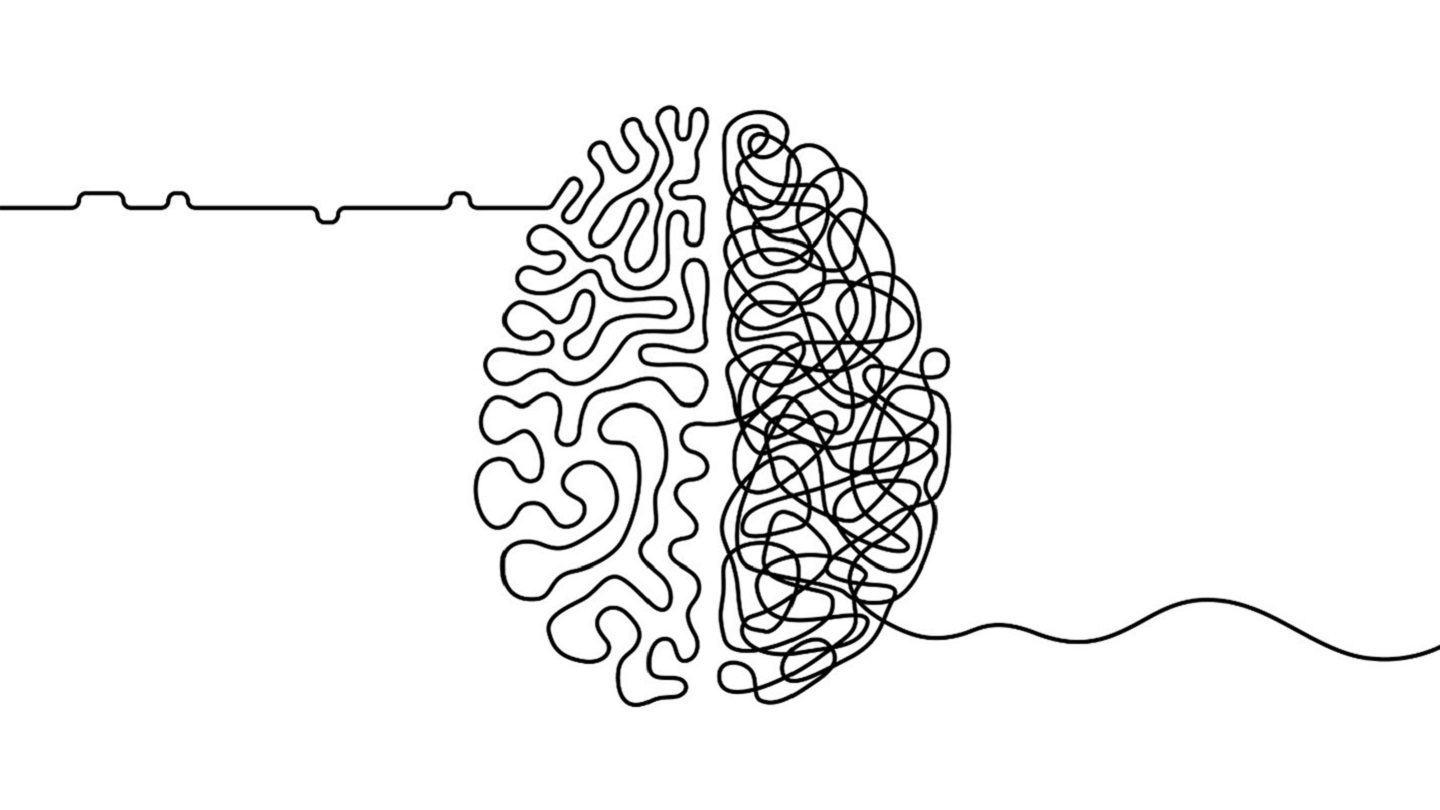
How to think about market volatility
March 23, 2026When the market is volatile, it’s natural to want to act on emotion. Here’s how to make sure the decisions are as rational and well-informed as possible.Read Now
Fed holds rates steady in March 2026: What investors can watch for next
March 20, 2026Rates stayed put at the Fed’s March 2026 meeting. Learn what the latest inflation and employment data signals about the Fed’s next move.Read Now
If oil backs off, risk reprices
March 20, 2026If oil flows eventually normalize, markets may reassess risk. We explore where gains could concentrate, why some regions may still feel a hangover and portfolio implications.Read Now
Stock-based compensation and the Section 83(b) election
March 20, 2026If you are an executive at a company and receive stock or options subject to vesting, a so-called 83(b) election might reduce your income tax liability over time.Read Now
When oil jumps, household wealth guides the economy
March 13, 2026Oil spikes could transmit through the economy faster via equities than the pump, pressuring spending through the wealth effect. What could that mean for inflation paths, equity sensitivity and near-term demand?Read NowWhy cash flow forecasting and succession planning matter
March 30, 2026As a business owner, effective cash flow management is crucial. From growth to legacy, read on to learn the important components of a well-balanced strategy.Read NowThe global rates repricing: will central banks actually hike?
March 27, 2026The risk of a prolonged energy shock isn't shaking inflation expectations in the long run, but it is changing the odds of how central banks respond.Read NowCommon financial milestones women experience throughout their lives
March 24, 2026Many women encounter common life events that can affect their financial situation. A strong plan can help keep them on track to meet their financial goals.Read NowBuilding financial awareness in children: Leverage the extraordinary power of life’s everyday moments
March 24, 2026There are many “teachable moments” buried in everyday decisions and activities that can help children develop financial awareness and a sense of responsibility. Read more about it.Read NowHow to think about market volatility
March 23, 2026When the market is volatile, it’s natural to want to act on emotion. Here’s how to make sure the decisions are as rational and well-informed as possible.Read NowFed holds rates steady in March 2026: What investors can watch for next
March 20, 2026Rates stayed put at the Fed’s March 2026 meeting. Learn what the latest inflation and employment data signals about the Fed’s next move.Read NowIf oil backs off, risk reprices
March 20, 2026If oil flows eventually normalize, markets may reassess risk. We explore where gains could concentrate, why some regions may still feel a hangover and portfolio implications.Read NowStock-based compensation and the Section 83(b) election
March 20, 2026If you are an executive at a company and receive stock or options subject to vesting, a so-called 83(b) election might reduce your income tax liability over time.Read NowWhen oil jumps, household wealth guides the economy
March 13, 2026Oil spikes could transmit through the economy faster via equities than the pump, pressuring spending through the wealth effect. What could that mean for inflation paths, equity sensitivity and near-term demand?Read Now